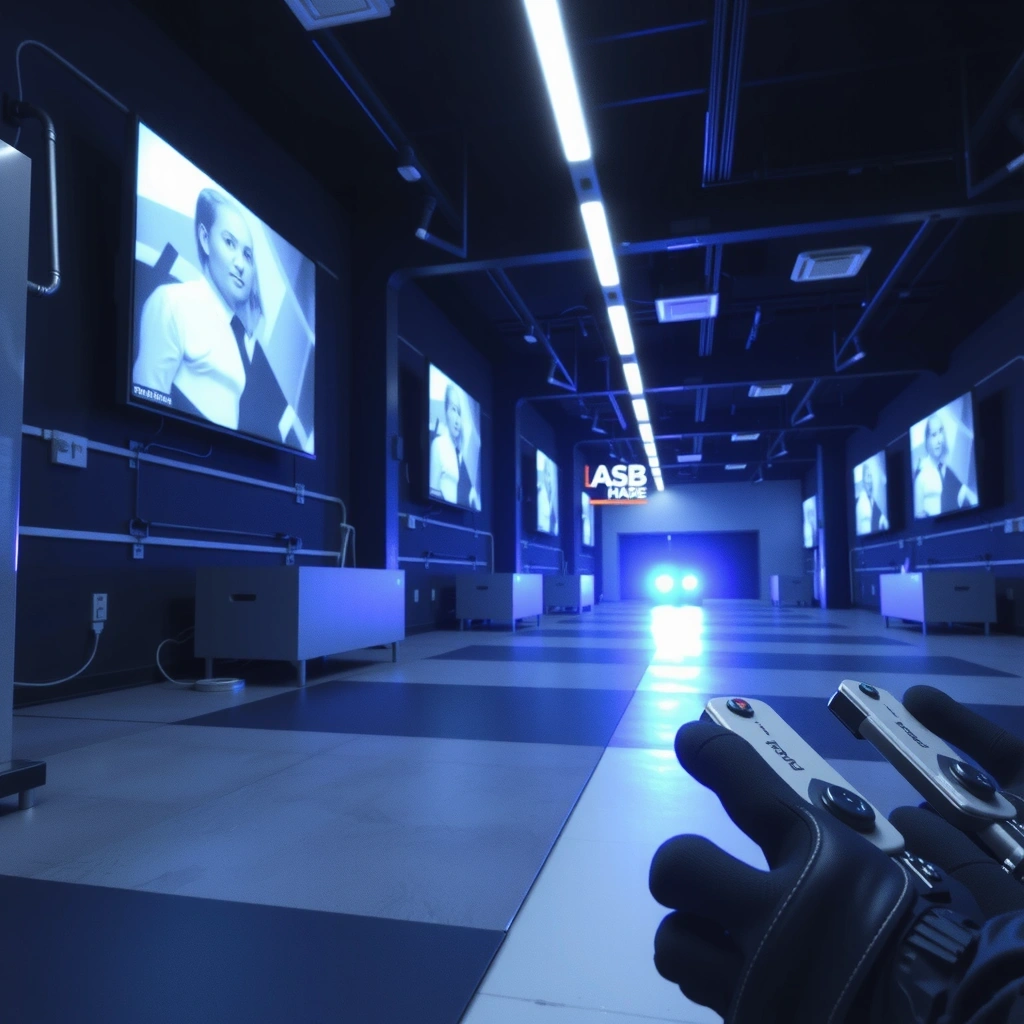

Project Alpha: Velocity
Hyper-casual arcade racer built on custom physics engine. Features procedurally generated tracks and 60fps stability on mobile devices.
Mobile

Our internal R&D division explores bleeding-edge technologies, from procedural generation engines to physics-based animation systems. This lab showcases our experimental frameworks and production-ready assets.
Primary rendering pipeline with custom Lumen configurations and Nanite mesh streaming for cinematic quality real-time visuals.
Custom pathfinding and behavioral trees optimized for massive entity counts, reducing CPU overhead by 40% in stress tests.
Automated code quality gates enforce strict design patterns, preventing technical debt accumulation before merge.
Selection of recent prototypes and production assets.
Hyper-casual arcade racer built on custom physics engine. Features procedurally generated tracks and 60fps stability on mobile devices.

Narrative-driven pixel art RPG with branching dialogue system and dynamic morality mechanics. Focuses on atmospheric storytelling.
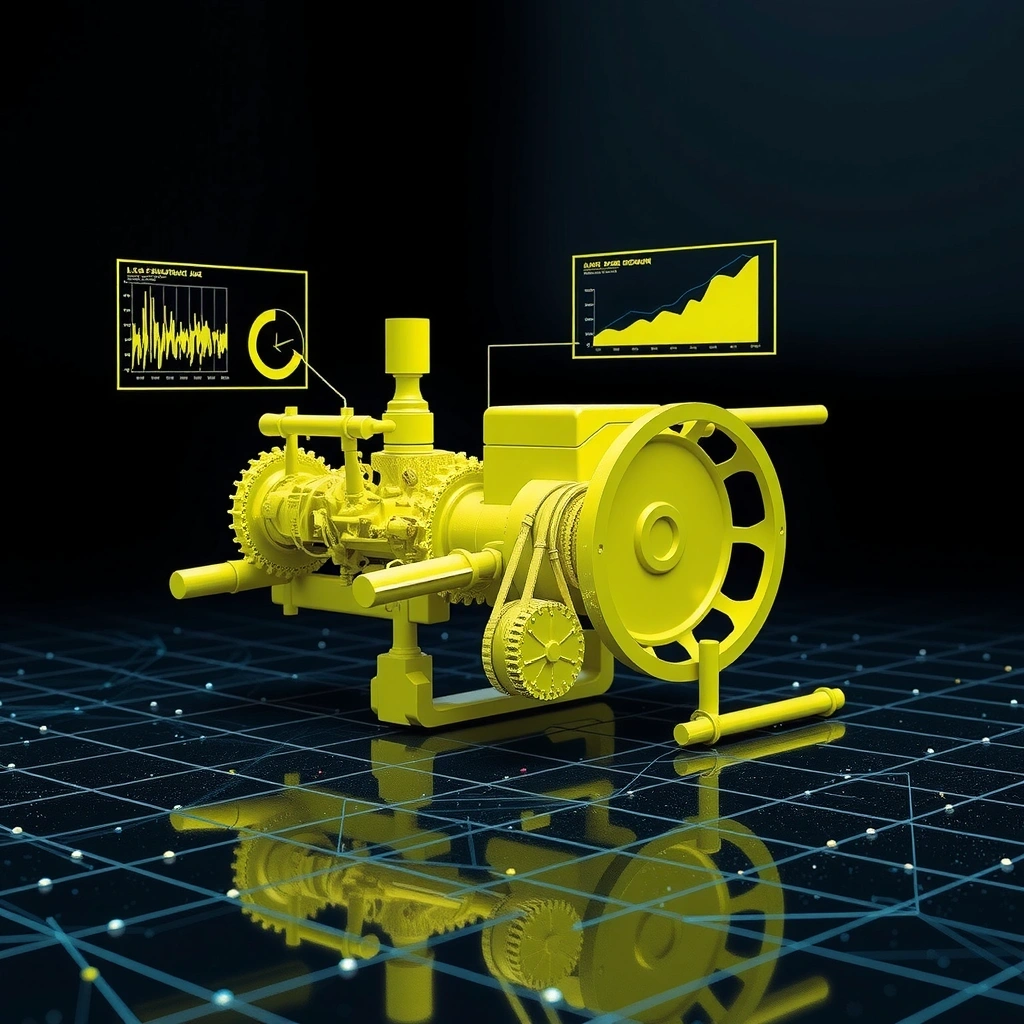
Real-time fluid dynamics simulator for industrial visualization. Uses GPU compute shaders for particle accuracy.

Procedural world-building toolkit for open-world games. Features biomes, erosion simulation, and LOD management.
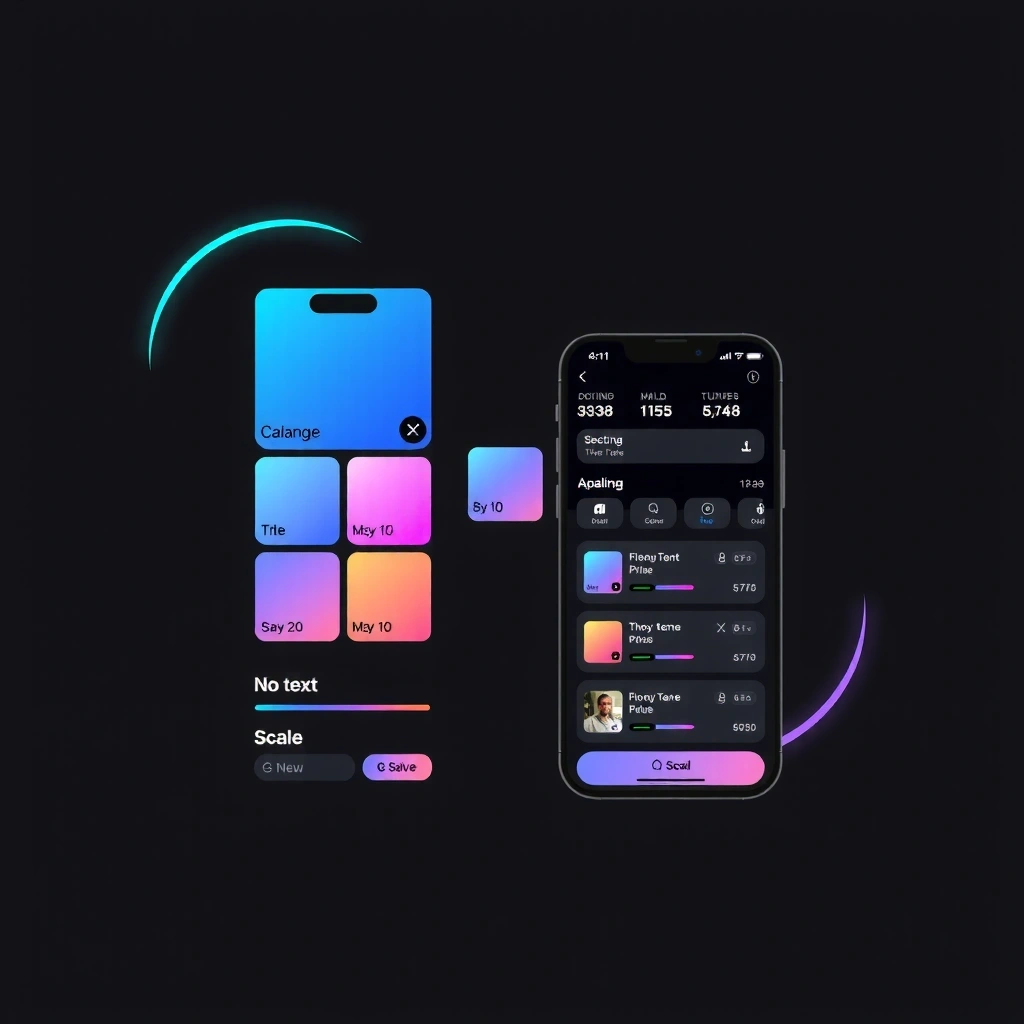
Modular UI system for games and tools. CSS-driven animations with hardware acceleration, zero external dependencies.

Behavior tree editor for AI agents. Visual scripting interface with live debugging and performance metrics.
void UTaskManager::ProcessQueue() {

  // Priority-based execution

  if (TaskQueue.IsEmpty()) return;

  ExecuteTask(TaskQueue.Dequeue());

}
Lock-free queue implementation for high-frequency task scheduling in multi-threaded environments.
pub struct Pool<T> {

  blocks: Vec<Box<[T; 64]>>,

  free_list: Stack<*mut T>,

}
Zero-allocation object pooling for real-time systems. Cache-friendly memory layout.
In game development and interactive systems, "deterministic" means that given the same input and state, the system will always produce the exact same output. This is critical for replay systems, network synchronization, and debugging. At Hacenob, we enforce deterministic logic from the ground up rather than treating it as an afterthought.
Our four-phase pipeline for shipping reliable interactive systems.
Establish performance budgets, input requirements, and platform targets. Document edge cases.
Prototype candidate algorithms. Run benchmarks and validate against deterministic requirements.
Write production code with strict static analysis. Integrate unit tests and profiling hooks.
Analyze telemetry and replays. Refine parameters and optimize hot paths.
When handling controller input, raw values are quantized to 16-bit integers immediately upon capture. This ensures bit-exact replication across the network. The client simulates locally using the quantized values, while the server validates using the same deterministic function. Visual smoothing (lerping) is applied only to the render state, never to the simulation state.
Current rendering pipeline achieves 16.2ms average frame time on RTX 3080 at 4K resolution with full dynamic lighting.
In a 128-player simulation, state consistency was maintained across 15,000+ consecutive ticks with zero desynchronization events.
"The event replay system caught a heisenbug that only appeared on 32-bit Linux builds. The deterministic log pinpointed the exact frame and input vector." — Senior QA, Simulation Team
These controls are implemented throughout our systems:
Reach out to discuss technical partnerships, asset licensing, or R&D collaboration opportunities.